Key Takeaways
- CI/CD automation significantly speeds up software delivery cycles.
- Automated testing integrated into pipelines ensures consistent code quality.
- Optimizing CI/CD pipelines improves operational efficiency and reduces errors.
- Successful implementation requires strategic planning and tool integration.
- Enhanced collaboration between development, testing, and operations teams boosts productivity.
Introduction to CI/CD Automation
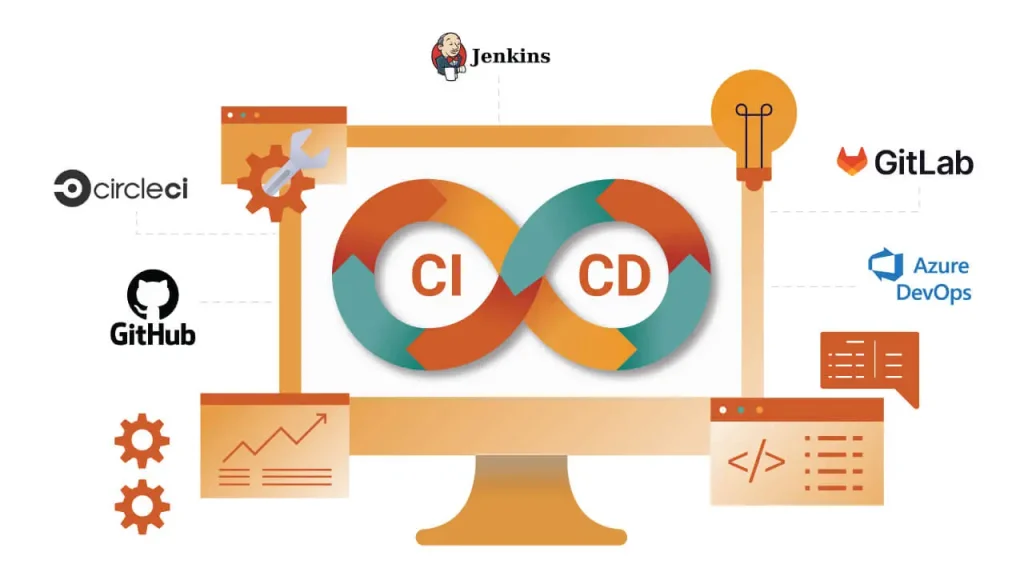
In 2025, Continuous Integration and Continuous Deployment (CI/CD) automation has become a critical driver of modern software development and DevOps practices. CI/CD automates the entire process of building, testing, and deploying code, enabling teams to release software updates faster without sacrificing quality or reliability. By embedding automated testing and deployment workflows, companies reduce manual errors and foster collaboration between development, QA, and operations teams, ultimately delivering better products to users.
Understanding CI/CD Automation
Core Components
- Automated Builds: Code changes are automatically compiled and packaged on commit to version control systems.
- Continuous Testing: Automated unit, integration, performance, and security tests validate code at multiple stages.
- Automated Deployment: Code is deployed seamlessly to staging or production environments using scripts or orchestration tools.
- Pipeline Management: Orchestrates workflows with quality gates, rollback procedures, and monitoring checkpoints to ensure reliability.
Benefits of CI/CD
- Faster Release Cycles: Automating integration and deployment shortens the path from code commit to production.
- Improved Code Quality: Continuous testing catches defects early, reducing bugs in production.
- Reduced Manual Errors: Automation diminishes human error in build and deploy tasks.
- Better Collaboration: Unified pipelines break down silos, enabling continuous feedback loops between teams.
- Increased Reliability: Monitoring and rollback capabilities improve system availability and user experience.
Implementation Strategies
Pipeline Framework
- Design modular, stage-based pipelines covering build, test, deploy, and monitor phases.
- Integrate quality gates to enforce test pass rates and security standards before deployment.
- Apply robust rollback mechanisms and error handling in case of deployment failures.
- Build real-time monitoring and alerting into pipelines to catch issues post-release swiftly.
Technology Integration
- Use version control systems (Git, Bitbucket) for source code management triggering pipeline runs.
- Employ build tools like Maven, Gradle, or Docker to automate compilation and packaging.
- Incorporate testing frameworks such as JUnit, Selenium, or security scanners in the testing stage.
- Utilize deployment tools and orchestration platforms like Kubernetes, Helm, or Terraform for managing releases.
- Integrate monitoring tools (Prometheus, Grafana) for observability during and after deployment.
Technical Considerations
Build Automation
- Manage dependencies and artifacts efficiently to ensure repeatable builds.
- Use source control triggers to initiate builds and version artifacts reliably.
Test Automation
- Implement comprehensive automated testing suites covering unit, integration, security, and performance.
- Include quality gates that halt pipeline progress if tests fail.
- Leverage AI-powered testing tools to optimize test prioritization and coverage.
Best Practices
Pipeline Design
- Structure pipelines into clear, manageable stages with defined inputs and outputs.
- Maintain documentation and version control for pipeline scripts and configurations.
- Conduct regular pipeline reviews to ensure effectiveness and incorporate new tools and practices.
Automation Strategy
- Select tools that integrate seamlessly with your existing development ecosystem.
- Automate repetitive tasks to free up team capacity for innovation.
- Train teams continuously on CI/CD principles and tooling to maximize adoption and impact.
- Maintain feedback loops through dashboards and alerts to address issues in real time.
Use Cases
Development Workflows
- Automated merge-triggered builds and tests ensure high-quality integrations.
- Continuous deployment pipelines facilitate frequent releases of features and bug fixes.
- End-to-end pipeline monitoring supports proactive incident detection and resolution.
Industry Solutions
- Software development firms use CI/CD to speed up product iteration.
- Web and mobile applications benefit from rapid feedback and testing cycles.
- Cloud service providers leverage CI/CD for scalable infrastructure and service management.
- Enterprises implement CI/CD pipelines to maintain complex multi-team development environments.
Implementation Challenges
Technical Challenges
- Integrating diverse tools and environments into a coherent pipeline.
- Setting up automated test suites covering broad code bases.
- Managing deployment complexity across multiple platforms and stages.
- Optimizing pipeline performance to reduce wait times and resource usage.
Operational Challenges
- Encouraging cultural change and process adoption within teams.
- Allocating resources for ongoing maintenance and pipeline evolution.
- Documenting and communicating pipeline workflows for cross-team collaboration.
Case Study: Enterprise Transformation
A global enterprise realized remarkable outcomes after CI/CD automation implementation:
- Delivery speed improved by 80%, enabling faster customer feedback incorporation.
- Code defects dropped by 60%, leading to higher software reliability.
- Cross-team collaboration increased, fostering innovation and shared ownership.
- Deployment reliability improved, reducing unplanned downtime and rollback incidents.
Future Trends in CI/CD Automation
- AI Integration: Leveraging machine learning for predictive failure analysis and intelligent pipeline orchestration.
- Advanced Automation: Incorporating security (DevSecOps) and compliance scanning fully into pipelines.
- Enhanced Monitoring: Real-time observability integrated deeply into deployment workflows.
- GitOps Practices: Using Git repositories as the single source of control for infrastructure and application state.
FAQ
What are the main benefits of CI/CD automation?
Faster software delivery, improved code quality, error reduction, and enhanced team collaboration.
How should teams implement CI/CD automation?
By designing structured pipelines, selecting appropriate tools, integrating automated testing, and fostering team training.
What are the key challenges faced?
Tool integration complexity, environment setup, maintaining test coverage, and team adoption barriers.
Conclusion
CI/CD automation stands at the heart of modern DevOps, transforming software delivery into a faster, more reliable, and collaborative process. Following best practices in pipeline design, tool integration, and ongoing maintenance empowers organizations to meet increasing demands for software quality and agility. Embracing emerging technologies like AI and GitOps will further elevate CI/CD capabilities through 2025 and beyond.