Key Takeaways
- AI-driven cloud-native solutions transform application deployment and management.
- Machine learning optimizes cloud resources and reduces costs.
- Automated scaling and intelligent monitoring enhance system reliability.
- AI-powered security strengthens cloud-native application protection.
- Real-time analytics empower data-driven business decisions.
Introduction to AI-Driven Cloud-Native Solutions
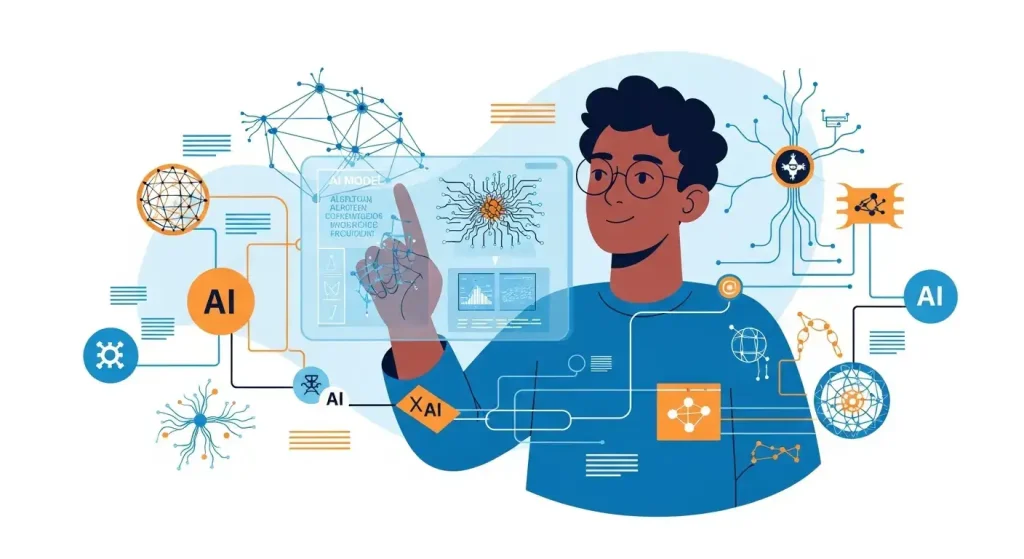
The fusion of artificial intelligence (AI) and cloud-native architectures is reshaping how businesses develop, deploy, and manage applications. AI-driven cloud-native solutions integrate machine learning and automation to deliver smarter, more efficient, and scalable systems. This synergy enables organizations to streamline operations, enhance performance, and achieve cost savings while maintaining robust security. By leveraging AI, cloud-native platforms are becoming more adaptive and intelligent, driving innovation across industries.
Evolution of Cloud-Native Architecture
Cloud-native architecture has progressed from basic automation to sophisticated, AI-enhanced systems. Traditional cloud platforms relied on manual configurations and limited automation, but AI-driven cloud-native solutions introduce predictive analytics, real-time optimization, and intelligent resource management. This evolution empowers businesses to handle dynamic workloads, improve scalability, and reduce operational overhead, making AI a cornerstone of modern cloud infrastructure.
Key Components of AI-Enhanced Cloud-Native Systems
Intelligent Resource Management
AI-driven cloud-native solutions utilize advanced algorithms to optimize resource allocation:
- Predictive Resource Allocation: AI forecasts resource needs based on historical and real-time data.
- Automated Scaling: Systems dynamically adjust resources to match demand, ensuring optimal performance.
- Cost Optimization: Machine learning identifies cost-saving opportunities by analyzing usage patterns.
Advanced Monitoring and Analytics
AI enhances monitoring and analytics in cloud-native environments:
- Real-Time Performance Tracking: AI monitors system performance continuously, identifying bottlenecks.
- Predictive Maintenance: Machine learning predicts potential failures, enabling proactive fixes.
- Anomaly Detection: AI-driven systems detect and respond to irregularities, improving reliability.
AI Applications in Cloud-Native Environments
1. Automated Scaling and Optimization
AI-driven cloud-native platforms excel in scaling and optimization by analyzing:
- Real-time traffic patterns to adjust resources dynamically.
- Application performance metrics to ensure seamless user experiences.
- Cost optimization requirements to minimize expenses.
- User behavior trends to anticipate demand spikes.
This automation ensures applications remain responsive and cost-efficient, even during unpredictable workloads.
2. Intelligent Security Solutions
AI strengthens cloud-native security by offering:
- Threat Detection and Prevention: Machine learning identifies potential threats in real time.
- Automated Security Updates: AI applies patches and updates to address vulnerabilities swiftly.
- Behavioral Analysis: AI monitors user and system behavior to detect anomalies.
- Real-Time Monitoring: Continuous surveillance ensures rapid response to security incidents.
These capabilities create a robust defense against evolving cyber threats, safeguarding cloud-native applications.
Best Practices for Implementing AI-Driven Cloud-Native Solutions
1. Define Clear Objectives
Before adopting AI-driven cloud-native solutions, businesses should:
- Outline specific business goals, such as reducing costs or improving performance.
- Identify key performance indicators (KPIs) to measure success.
- Establish metrics for scalability, reliability, and security.
- Plan for long-term growth and adaptability.
2. Select the Right Tools and Platforms
Choose platforms that provide:
- Seamless integration with AI and machine learning tools.
- Robust monitoring and analytics capabilities.
- Scalable and flexible cloud-native architecture.
- Advanced security features to protect sensitive data.
3. Ensure Team Readiness
Invest in training and resources to:
- Upskill teams on AI and cloud-native technologies.
- Foster collaboration between development and operations (DevOps).
- Align AI-driven strategies with organizational goals.
Real-World Applications
Case Study: E-commerce Platform Optimization
A leading e-commerce platform adopted AI-driven cloud-native solutions, achieving:
- 30% Reduction in Infrastructure Costs: AI optimized resource allocation, minimizing waste.
- 40% Faster Response Times: Automated scaling improved application performance.
- Enhanced Security: AI-driven threat detection reduced vulnerabilities.
- Optimized Resource Allocation: Machine learning streamlined operations during peak traffic.
This case demonstrates how AI-driven cloud-native solutions deliver measurable business value.
Future Trends in AI-Driven Cloud-Native Solutions
The future of AI-driven cloud-native solutions is promising, with trends including:
- Advanced Automation: AI will handle increasingly complex tasks, reducing manual intervention.
- Enhanced Predictive Capabilities: Improved forecasting will optimize resource usage and performance.
- Cost Optimization: AI will drive further savings through smarter allocation strategies.
- Next-Generation Security: AI-powered tools will evolve to counter sophisticated threats.
These advancements will solidify AI’s role as a critical component of cloud-native ecosystems.
FAQ
What are the main benefits of AI-driven cloud-native solutions?
AI-driven cloud-native solutions offer enhanced automation, optimized resource utilization, robust security, and scalable infrastructure, enabling businesses to operate efficiently and competitively.
How does AI improve cloud security?
AI enhances cloud security through real-time threat detection, automated updates, behavioral analysis, and continuous monitoring, ensuring rapid response to potential risks.
What should businesses consider before implementing AI-driven cloud solutions?
Businesses should evaluate their current infrastructure, define clear objectives, assess budget constraints, and plan for scalability to ensure successful adoption.
Conclusion
AI-driven cloud-native solutions are redefining cloud computing by combining automation, intelligence, and scalability. These technologies enable businesses to optimize resources, enhance security, and make data-driven decisions. As AI continues to evolve, its integration with cloud-native architectures will drive innovation, efficiency, and competitiveness across industries.
Next Steps
To leverage AI-driven cloud-native solutions:
- Assess your current cloud infrastructure for AI integration opportunities.
- Identify areas where AI can enhance performance, security, or cost efficiency.
- Develop a strategic implementation plan with clear objectives.
- Consult cloud-native and AI experts to guide your transition.
For deeper insights, explore our Cloud-Native Tech section.