Key Takeaways
- IaC Automation: Infrastructure as Code (IaC) enables automated infrastructure management, enhancing efficiency.
- Version Control: Improves infrastructure reliability through consistent version tracking.
- Error Reduction: Automation minimizes deployment errors, ensuring smoother operations.
- Best Practices: Structured implementation is critical for IaC success.
- Consistency: IaC ensures uniform infrastructure setups across environments.
Introduction to Infrastructure as Code
Infrastructure as Code (IaC) is transforming how organizations manage their infrastructure. By treating infrastructure as software code, teams can automate provisioning, ensure consistency, and improve reliability in DevOps environments. This article dives into best practices for implementing IaC, offering actionable insights for modern DevOps teams to optimize their workflows and achieve scalable, secure infrastructure management.
Understanding Infrastructure as Code
Core Concepts of IaC
IaC revolves around defining infrastructure using code, enabling automation and repeatability. Key elements include:
- Infrastructure Definition: Writing code to define resources like servers, networks, and storage.
- Version Control: Storing infrastructure code in version control systems (e.g., Git) for tracking changes.
- Automated Deployment: Using tools to deploy infrastructure automatically, reducing manual effort.
- Configuration Management: Ensuring consistent configurations across environments.
- State Management: Tracking the state of infrastructure to avoid configuration drift.
Benefits of IaC
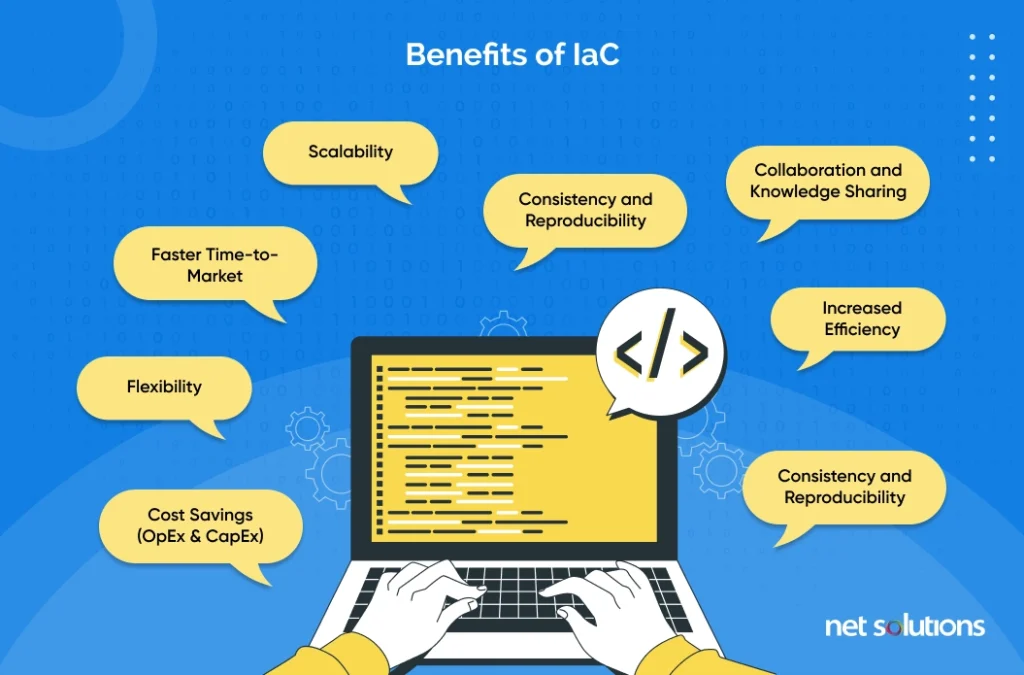
Adopting IaC offers numerous advantages:
- Consistent Deployments: Ensures identical setups in development, staging, and production.
- Reduced Errors: Automation eliminates human errors in manual configurations.
- Faster Provisioning: Speeds up infrastructure setup, enabling rapid scaling.
- Better Scalability: Simplifies scaling infrastructure to meet demand.
- Enhanced Security: Embeds security policies in code, improving compliance.
Implementation Strategies for IaC
Code Framework
A robust IaC framework is essential for success. Key components include:
- Infrastructure Templates: Reusable templates for resources like VMs or databases.
- Configuration Files: Define settings for applications and services.
- State Management: Tools like Terraform’s state files track infrastructure states.
- Version Control: Use Git or similar systems for code versioning.
- Documentation: Clear documentation ensures maintainability and team alignment.
Tool Integration
Integrating IaC with DevOps tools enhances efficiency:
- IaC Tools: Terraform, Ansible, or CloudFormation for infrastructure provisioning.
- Version Control: GitHub, GitLab, or Bitbucket for code management.
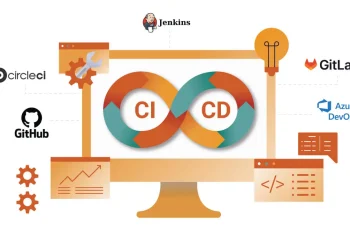
- CI/CD Pipelines: Integrate IaC with Jenkins or GitHub Actions for automated deployments.
- Monitoring: Use tools like Prometheus or Datadog to monitor infrastructure.
- Security Tools: Incorporate tools like Vault for secret management.
Technical Considerations for IaC
Infrastructure Definition
Defining infrastructure requires precision:
- Resource Templates: Create modular, reusable templates for consistency.
- Configuration Files: Use YAML or JSON for clear, structured configurations.
- State Management: Maintain state files to track infrastructure changes.
- Security Policies: Embed policies for access control and compliance.
- Documentation: Document configurations and dependencies thoroughly.
Automation Setup
Setting up automation involves:
- Tool Selection: Choose tools like Terraform or Ansible based on needs.
- Pipeline Integration: Automate deployments via CI/CD pipelines.
- State Management: Use centralized state storage for collaboration.
- Security Measures: Implement encryption and access controls.
- Monitoring: Track performance and errors with automated monitoring tools.
Best Practices for IaC
Code Organization
Organized code is critical for maintainability:
- Modular Structure: Break code into reusable modules for scalability.
- Clear Naming: Use descriptive names for resources and files.
- Documentation: Include comments and READMEs for clarity.
- Version Control: Commit changes regularly with meaningful messages.
- Testing: Test infrastructure code using tools like Terratest.
Security Measures
Security is paramount in IaC:
- Access Control: Restrict access to infrastructure code and tools.
- Secret Management: Use tools like HashiCorp Vault for sensitive data.
- Compliance: Embed compliance checks in code (e.g., CIS benchmarks).
- Monitoring: Continuously monitor for security vulnerabilities.
- Auditing: Regularly audit infrastructure for compliance and issues.
Use Cases for IaC
Infrastructure Management
IaC is widely used for:
- Cloud Provisioning: Automating AWS, Azure, or GCP resource setup.
- Configuration Management: Managing server configurations consistently.
- Resource Scaling: Scaling infrastructure based on demand.
- Security Management: Embedding security policies in code.
- Compliance: Ensuring adherence to regulatory standards.
Industry Solutions
IaC supports various industries:
- Cloud Services: Streamlining cloud infrastructure for SaaS providers.
- Enterprise Systems: Managing complex enterprise IT environments.
- Web Applications: Automating infrastructure for web apps.
- Data Centers: Simplifying data center resource management.
- DevOps Environments: Enhancing CI/CD workflows in DevOps.
Implementation Challenges
Technical Challenges
Implementing IaC can be complex:
- Tool Selection: Choosing the right tools for specific needs.
- State Management: Avoiding conflicts in state files across teams.
- Security Implementation: Ensuring robust security without complexity.
- Team Adoption: Training teams to use IaC effectively.
- Documentation: Maintaining up-to-date documentation.
Operational Challenges
Operational hurdles include:
- Process Changes: Adapting workflows to incorporate IaC.
- Team Training: Upskilling teams on IaC tools and practices.
- Resource Allocation: Allocating time and budget for IaC adoption.
- Maintenance: Keeping infrastructure code updated.
- Support: Providing ongoing support for IaC systems.
Case Studies: Real-World Success
Success Story: Cloud Migration
A Fortune 500 company adopted IaC for cloud migration, achieving:
- 70% Faster Deployment: Reduced provisioning time significantly.
- 50% Cost Reduction: Optimized resource usage.
- Improved Security: Embedded security policies in code.
- Better Scalability: Easily scaled infrastructure for demand.
- Enhanced Reliability: Reduced downtime with consistent setups.
Future Trends in IaC
Emerging trends are shaping IaC’s future:
- Advanced Automation: More sophisticated automation tools.
- AI Integration: AI-driven optimization of infrastructure code.
- Enhanced Security: Stronger focus on zero-trust architectures.
- Better Tools: Evolution of tools like Terraform and Pulumi.
- Improved Practices: Adoption of standardized best practices.
Frequently Asked Questions
What are the main benefits of Infrastructure as Code?
IaC provides consistent deployments, reduces errors, speeds up provisioning, and enhances scalability and security.
How can organizations implement IaC effectively?
Focus on code organization, select appropriate tools, integrate with CI/CD pipelines, and prioritize security measures.
What are the key challenges in IaC implementation?
Challenges include tool selection, state management, security implementation, team adoption, and maintaining documentation.
Conclusion
Infrastructure as Code is a game-changer for DevOps, enabling automated, reliable, and scalable infrastructure management. By adopting best practices—such as modular code organization, robust security measures, and effective tool integration—organizations can overcome challenges and unlock IaC’s full potential. As IaC continues to evolve, staying updated with trends and tools will be critical for success.
Next Steps for IaC Adoption
Ready to implement Infrastructure as Code? Start by:
- Selecting Tools: Choose tools like Terraform or Ansible based on your needs.
- Organizing Code: Adopt modular structures and clear naming conventions.
- Implementing Security: Use secret management and compliance checks.
- Training Teams: Upskill your team on IaC tools and best practices.